When Reda Jarir and Sami Hamine started looking for a floor to launch URLab in early 2026, they didn’t want a giant open-space. They wanted a closed, quiet room with proper confidentiality, and a real meeting room to host Chief Actuaries from European insurers. They moved in at Zecoworking in January 2026.
What URLab does
URLab is an “agentic data” platform purpose-built for actuaries. In practice: specialised AI agents that take over or accelerate the most time-consuming workflows of the discipline, with a conversational interface rather than a sprawl of Excel + VBA macros + SAS scripts to maintain by hand.
The six actuarial disciplines covered by URLab’s agents:
- Life pricing : mortality, longevity, morbidity
- Non-life / P&C pricing : general tariffication
- Reserving & provisions : claims development, IBNR
- Capital & solvency : Solvency II, IFRS 17
- ALM : asset-liability management
- Extreme & catastrophe risk : cat modelling, reinsurance
The goal is explicit and fits in one sentence: turn weeks into hours on tasks the industry still does by hand out of habit, preparing heterogeneous data, building models, deploying internal tools for business teams.
The founders: actuarial + IT, 360° complementarity
URLab isn’t a project of engineers who read a Wikipedia page on actuarial science. It’s the meeting of two profiles who know their respective domains from the inside.
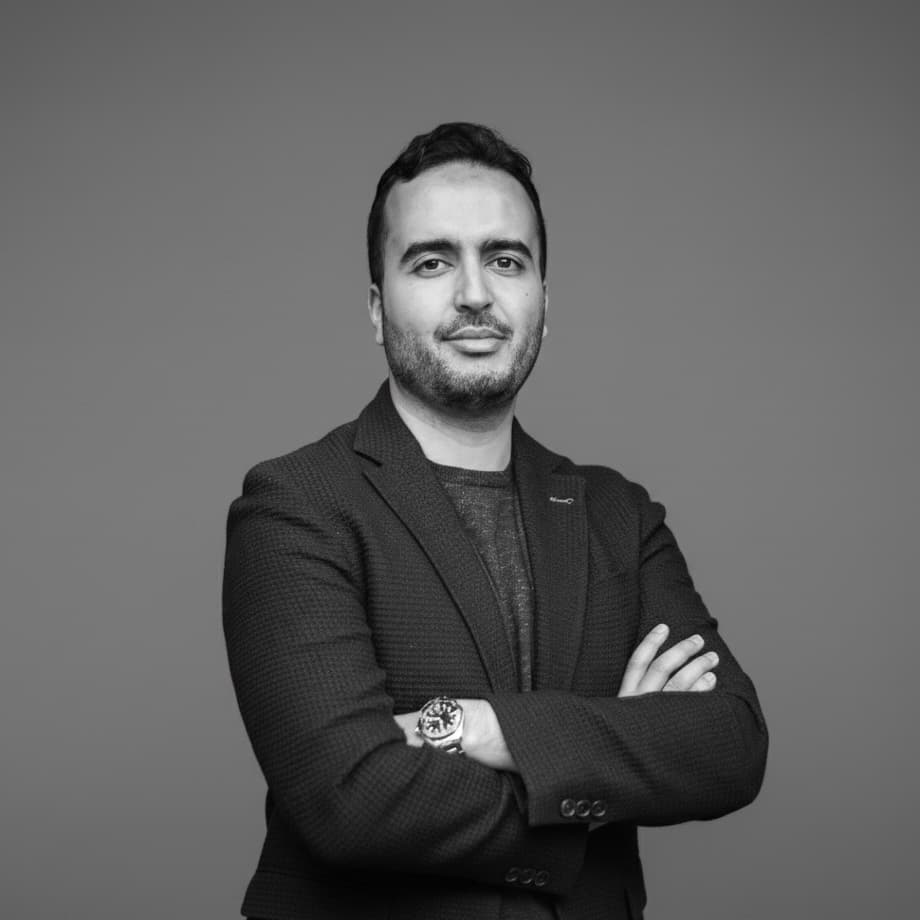
- Reda Jarir, CEO : 15+ years as an insurance actuary. Knows the bottlenecks of the discipline because he lived them.
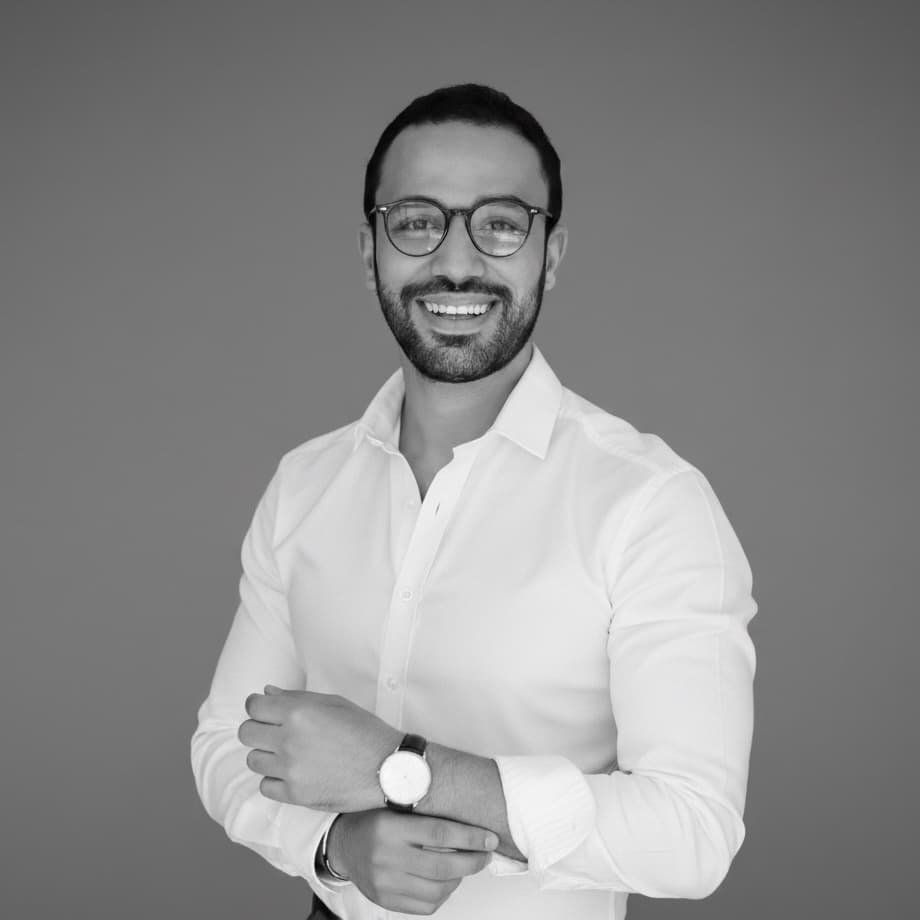
- Sami Hamine, CTO : former IT director at major corporations. Capable of turning the actuarial vision into a production-grade, scalable, monitored platform.
The duo is backed by an advisory board tailored for the mission, with 75+ combined years of industry experience: David Dubois (30+ years of insurance executive experience), Vincent Lepez (25+ years of reinsurance leadership), and Simon Rechatin (20+ years across insurance, reinsurance and consulting).
Disrupting actuarial work: AI arrives in a historically Excel-heavy field
Actuarial work is one of the last big data silos where AI automation hasn’t hit hard yet. Three reasons:
- Heavy regulation : Solvency II, IFRS 17, ACPR review: the model has to be auditable, explainable, and documented line by line. Not a natural home for the black boxes of generic agents.
- Mathematical specialisation : these aren’t CRM datasets or web logs. Development triangles, mortality laws, copulas for extreme risk: the vocabulary is sharp.
- Proprietary, heterogeneous data : every insurer has its legacy SAS, broker partners, internal formats. No unified standard a generic agent could anchor on.
URLab’s agents are designed exactly for this context: native traceability, embedded actuarial language, auditable models. That’s what differentiates them from a generic AI agent (Crew AI or a packaged RAG tool) that has no domain grounding.
The target market is clear: life and P&C insurers, reinsurers, actuarial consulting firms, a European market dominated by AXA, Allianz, Generali, Munich Re, Swiss Re, and a long tail of regional insurers who can’t afford 50 in-house actuaries.
Why URLab picked Zecoworking
Like most of the tech coworkers we welcome, the URLab team came in with clear constraints:
- Closed private office : an AI startup’s intellectual property doesn’t belong in a shared open-space. Prompts, models, client datasets: everything stays contained.
- Properly equipped meeting room : hosting a Chief Actuary or a Head of Solvency II requires a polished professional frame. Video, screen, quiet.
- Pont de Neuilly address : the gateway to La Défense, where Europe’s main Paris-based insurers are concentrated. 8 minutes from Étoile on M1.
- Flexible commitment : an early-stage startup doesn’t sign a 3/6/9 commercial lease. At Zecoworking, you breathe with traction.
That mix is what made them choose the floor in January 2026, and that mix is what keeps them here today.